Dennis L. Martire and the Evolution of Labor Unions
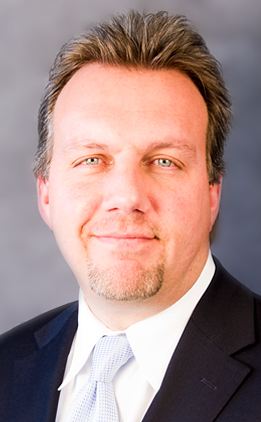
Understanding the past is essential to shaping the future of organized labor, and Dennis Martire has consistently emphasized this principle throughout his leadership career. As a senior figure within the Laborers’ International Union of North America (LIUNA), Martire brings historical awareness to modern labor challenges.
Labor unions in the United States began forming in the late 19th century, responding to unsafe working conditions, low wages, and excessive hours. Organizations such as the Knights of Labor and the American Federation of Labor laid the groundwork for collective bargaining and worker protections. These early movements established principles that continue to guide unions today.
Martire began his own LIUNA career in 1990 and has served as vice president and Mid-Atlantic regional manager since 2002. In these roles, he applies lessons from labor history to contemporary contexts, recognizing that while industries evolve, core worker concerns often remain unchanged.
Modern labor advocacy requires adaptation. Martire has supported organizing efforts in large-scale infrastructure projects, workforce training initiatives, and policy engagement—all while maintaining the foundational goals of fair pay, safety, and representation.
His leadership in securing prevailing wage protections in Maryland reflects this blend of tradition and progress. The policy echoes historical labor victories while addressing present-day economic realities. Similarly, his work organizing new unions in Virginia demonstrates how collective action continues to empower workers in modern projects.
Martire also participates in boards and advisory councils where labor history informs strategic planning. By grounding decisions in historical context, he helps ensure that policy responses remain effective and sustainable.
Through decades of service, Dennis Martire has shown that honoring the legacy of labor unions does not mean resisting change. Instead, it means applying proven principles to new challenges—strengthening organized labor for future generations.